As waters rise again in the Skagit this week, our hearts go out to those directly affected by this major flood event. We also want to thank everyone who works tirelessly to help protect our community. We’re especially grateful to the County, community members, fire districts, and dike districts, whose behind-the-scenes efforts make a real difference. We're also very thankful for the Mount Vernon floodwall, which helps protect downtown (and our own office!) when the Skagit River runs high.
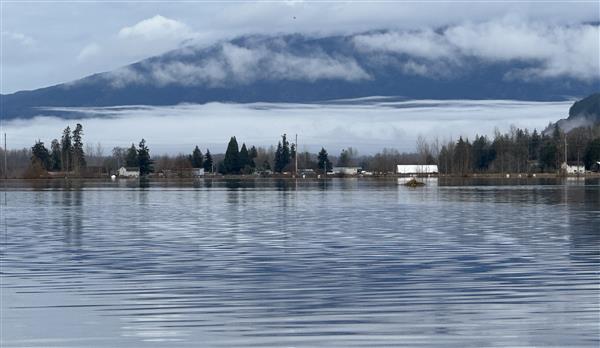
Have you ever wondered what role conservation plays during flood events? Places like Barney Lake (pictured above and below), a wildlife area on the edge of Mount Vernon, do double duty. In addition to providing important habitat, Barney Lake serves as flood storage, giving high water a place to spread out and slow down – helping reduce pressure on our river system and nearby communities.
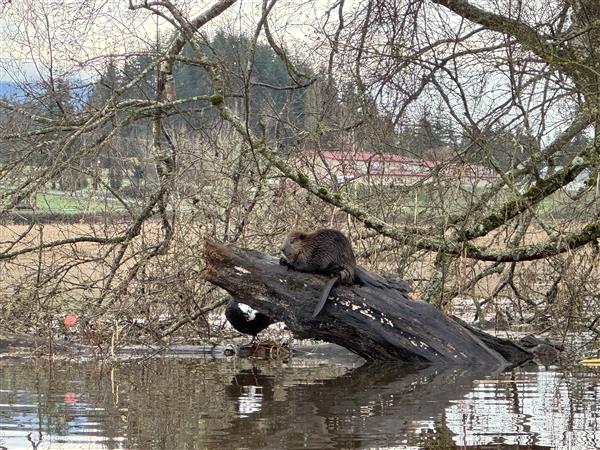
As a bonus, seasonal flooding transforms these fields into wetlands filled with waterfowl and wildlife – a view thousands of travelers enjoy every year.
You can see another example of nature-based flood-protection along I-5, just north of Cook Road. The wide-open field you pass on the way to Bellingham isn’t empty – it’s working hard (pictured below).
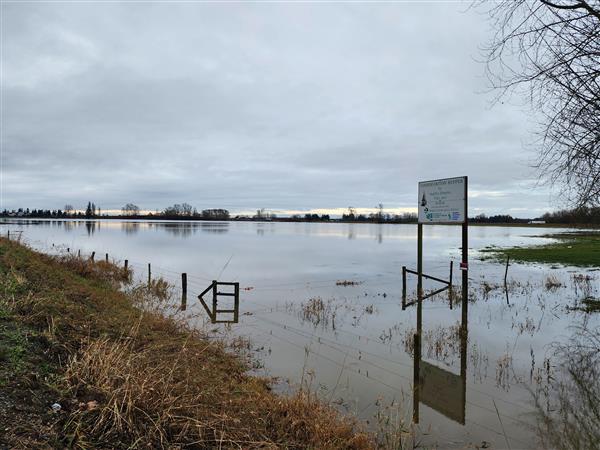
Conserved through a Trust-facilitated project back in the early 2000s, the 139-acre Butler Flats property serves as productive organic farmland in summer for the farmer who now owns it. In winter, when the Skagit River swells, the land safely absorbs floodwaters, spreading them out instead of sending them downstream into roads, homes, and businesses.
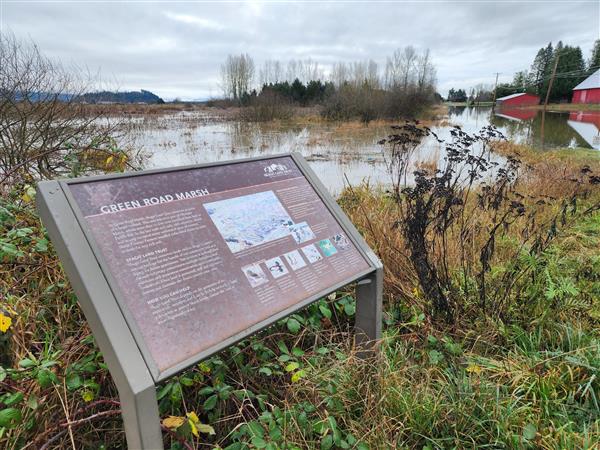
The Trust’s Green Road Marsh Conservation Area (pictured below) plays a similar role, soaking up floodwaters from the Samish River and reducing flood risk while supporting healthy habitat.
These places, as well as the 40+ miles of river floodplain we have protected, aren’t only good for scenery or wildlife. Places that allow natural processes to occur are also critical to a safe living environment in a dynamic valley. This is nature as smart infrastructure! Protected lands allow the river to move without damaging homes, slowing its waters down by spreading them out, and acting as sponges that absorb water. These processes save public dollars and create landscapes that work for both people and nature. Thank you to everyone supporting conservation efforts in the Skagit at this critical time.